Last update
8/29/2026
Reviewed By
Overview

SCIENTIFIC SCORE
Moderately Effective
Based on 7 Researches
8.7
USERS' SCORE
Good
Based on 2 Reviews
8.6

Supplement Facts
Serving Size: 1 Capsule
Amount Per Serving
%DV
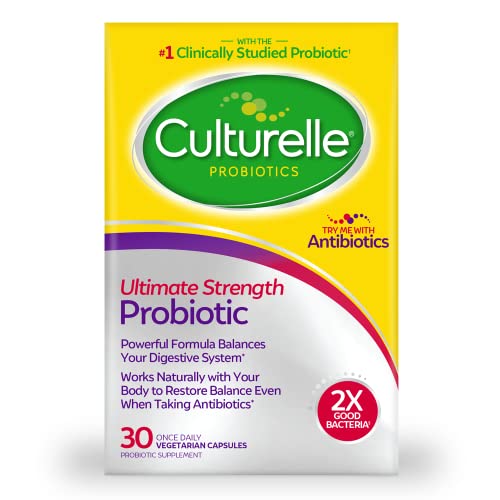
Prenatal Probiotic BlendLactobacillus rhamnosusLactobacillus rhamnosus HN001Lactobacillus acidophilusLactobacillus plantarumLactobacillus paracaseiLactobacillus brevisLactobacillus bulgaricusLactobacillus caseiLactobacillus gasseriLactobacillus reuteriLactobacillus salivariusTotal Lacto Cultures (15 Billion CFU)Bifidobacterium longumBifidobacterium infantisBifidobacterium bifidumBifidobacterium breveBifidobacterium lactisTotal Bifido Cultures (5 Billion CFU)
170 mg
+
Total Probiotic Cultures
20 Billion CFU¹
Organic Prebiotic Fiber BlendOrganic Potato (Resistant Starch] (tuber), Organic Acacia Fiber (A. senegal)
115 mg
+
Top Medical Research Studies
9
Lacticaseibacillus rhamnosus shows promise
We explored the potential of Lacticaseibacillus rhamnosus GG as a probiotic treatment against avian pathogenic E. coli (APEC) in chickens. Our study showed that this probiotic significantly reduced APEC colonization in the chickens' cecum and improved the balance of gut microbiota over a 24-hour period.
Through laboratory evaluations, we detected novel bioactive peptides in the probiotic's culture supernatants, which may contribute to its antibacterial properties. While the results are promising for poultry health, more research is needed to optimize its use in real farming conditions.
Through laboratory evaluations, we detected novel bioactive peptides in the probiotic's culture supernatants, which may contribute to its antibacterial properties. While the results are promising for poultry health, more research is needed to optimize its use in real farming conditions.
Read More
9
We aimed to find out if probiotic supplements like lactobacillus acidophilus could help counteract the negative effects of iron fortification, which has been linked to increased diarrhea and food poisoning among children.
In our study with weaning mice, we discovered that high iron diets led to more severe symptoms when infected with Salmonella.
However, when we added lactobacillus acidophilus beforehand, the mice showed less severe symptoms and better intestinal health.
This suggests that probiotics can really help protect gut health against the adverse effects of iron supplements during foodborne infections.
In our study with weaning mice, we discovered that high iron diets led to more severe symptoms when infected with Salmonella.
However, when we added lactobacillus acidophilus beforehand, the mice showed less severe symptoms and better intestinal health.
This suggests that probiotics can really help protect gut health against the adverse effects of iron supplements during foodborne infections.
Read More
9
We explored the effectiveness of a synbiotic treatment combining Bifidobacterium longum and xylo-oligosaccharides in fighting Campylobacter jejuni, a major cause of food poisoning. The treatment was administered either from day one or day fourteen of the chicks' lives.
Our findings showed that early supplementation led to a significant reduction in C. jejuni levels compared to later treatment. However, Bifidobacterium levels did not significantly differ among treatment groups. These results suggest that early synbiotic use alongside other safety measures could help improve poultry meat safety.
Our findings showed that early supplementation led to a significant reduction in C. jejuni levels compared to later treatment. However, Bifidobacterium levels did not significantly differ among treatment groups. These results suggest that early synbiotic use alongside other safety measures could help improve poultry meat safety.
Read More
Most Useful Reviews
10
Diarrhoea alleviated
1 people found this helpful
Very good. I had food poisoning due to a food disorder, and I took these probiotic pills. Remarkably, it cured my diarrhoea by the third day. I wholeheartedly recommend it!
Read More
8
Digestive health improved
2 people found this helpful
An effective remedy for digesting food! I consumed the entire jar and, despite not being pregnant, I appreciated the quality ingredients. The capsules are easy to swallow, and I took one at breakfast without thinking about it. Previously, I had trouble digesting food, but this probiotic really helped. I stopped falling ill, especially with infections after going swimming. However, once I ran out, I noticed I was more prone to colds again. I believe I need a longer course.
Read More



Medical Researches
SCIENTIFIC SCORE
Moderately Effective
Based on 7 Researches
8.7
- All Researches
9
We aimed to find out if probiotic supplements like lactobacillus acidophilus could help counteract the negative effects of iron fortification, which has been linked to increased diarrhea and food poisoning among children.
In our study with weaning mice, we discovered that high iron diets led to more severe symptoms when infected with Salmonella.
However, when we added lactobacillus acidophilus beforehand, the mice showed less severe symptoms and better intestinal health.
This suggests that probiotics can really help protect gut health against the adverse effects of iron supplements during foodborne infections.
In our study with weaning mice, we discovered that high iron diets led to more severe symptoms when infected with Salmonella.
However, when we added lactobacillus acidophilus beforehand, the mice showed less severe symptoms and better intestinal health.
This suggests that probiotics can really help protect gut health against the adverse effects of iron supplements during foodborne infections.
Read More
9
Probiotics reduce Salmonella colonization
We looked at how an avian-specific probiotic could help reduce food poisoning risks linked to Salmonella Enteritidis in poultry. Our study used chicks that received a special probiotic treatment and compared them to a control group.
The results showed a marked decrease in Salmonella Enteritidis colonization in the treated chicks over several days, especially at days 3, 7, and beyond. However, body weight gains appeared similar between both groups.
Overall, our findings suggest that using Lactobacillus acidophilus as part of the treatment may effectively lower Salmonella risks in broilers.
The results showed a marked decrease in Salmonella Enteritidis colonization in the treated chicks over several days, especially at days 3, 7, and beyond. However, body weight gains appeared similar between both groups.
Overall, our findings suggest that using Lactobacillus acidophilus as part of the treatment may effectively lower Salmonella risks in broilers.
Read More
9
Lacticaseibacillus rhamnosus shows promise
We explored the potential of Lacticaseibacillus rhamnosus GG as a probiotic treatment against avian pathogenic E. coli (APEC) in chickens. Our study showed that this probiotic significantly reduced APEC colonization in the chickens' cecum and improved the balance of gut microbiota over a 24-hour period.
Through laboratory evaluations, we detected novel bioactive peptides in the probiotic's culture supernatants, which may contribute to its antibacterial properties. While the results are promising for poultry health, more research is needed to optimize its use in real farming conditions.
Through laboratory evaluations, we detected novel bioactive peptides in the probiotic's culture supernatants, which may contribute to its antibacterial properties. While the results are promising for poultry health, more research is needed to optimize its use in real farming conditions.
Read More
9
We explored the effectiveness of a synbiotic treatment combining Bifidobacterium longum and xylo-oligosaccharides in fighting Campylobacter jejuni, a major cause of food poisoning. The treatment was administered either from day one or day fourteen of the chicks' lives.
Our findings showed that early supplementation led to a significant reduction in C. jejuni levels compared to later treatment. However, Bifidobacterium levels did not significantly differ among treatment groups. These results suggest that early synbiotic use alongside other safety measures could help improve poultry meat safety.
Our findings showed that early supplementation led to a significant reduction in C. jejuni levels compared to later treatment. However, Bifidobacterium levels did not significantly differ among treatment groups. These results suggest that early synbiotic use alongside other safety measures could help improve poultry meat safety.
Read More
9
We aimed to see how a synbiotic mixture might help reduce Campylobacter jejuni, a harmful bacteria often found in poultry, which can cause food poisoning in humans. Through our research, we provided broiler chickens with a blend of prebiotics and a specific strain of Bifidobacterium longum.
After 14 days, we observed a significant reduction in C. jejuni levels in the feces of treated chickens. This suggests that such synbiotic treatments could be an effective strategy for enhancing poultry safety and reducing foodborne illnesses linked to poultry products.
After 14 days, we observed a significant reduction in C. jejuni levels in the feces of treated chickens. This suggests that such synbiotic treatments could be an effective strategy for enhancing poultry safety and reducing foodborne illnesses linked to poultry products.
Read More
User Reviews
USERS' SCORE
Good
Based on 2 Reviews
8.6
- All Reviews
- Positive Reviews
- Negative Reviews
10
Diarrhoea alleviated
1 people found this helpful
Very good. I had food poisoning due to a food disorder, and I took these probiotic pills. Remarkably, it cured my diarrhoea by the third day. I wholeheartedly recommend it!
Read More
8
Digestive health improved
2 people found this helpful
An effective remedy for digesting food! I consumed the entire jar and, despite not being pregnant, I appreciated the quality ingredients. The capsules are easy to swallow, and I took one at breakfast without thinking about it. Previously, I had trouble digesting food, but this probiotic really helped. I stopped falling ill, especially with infections after going swimming. However, once I ran out, I noticed I was more prone to colds again. I believe I need a longer course.
Read More
Frequently Asked Questions
No FAQs are available for this product and symptom.
References
- Lin F, Wu H, Zeng M, Yu G, Dong S, et al. Probiotic/prebiotic correction for adverse effects of iron fortification on intestinal resistance to Salmonella infection in weaning mice. Food Funct. 2018;9:1070. 10.1039/c7fo00990a
- Kim MS, Yoon YS, Seo JG, Lee HG, Chung MJ, et al. A study on the prevention of salmonella infection by using the aggregation characteristics of lactic Acid bacteria. Toxicol Res. 2013;29:129. 10.5487/TR.2013.29.2.129
- Tellez G, Petrone VM, Escorcia M, Morishita TY, Cobb CW, et al. Evaluation of avian-specific probiotic and Salmonella enteritidis-, Salmonella typhimurium-, and Salmonella heidelberg-specific antibodies on cecal colonization and organ invasion of Salmonella enteritidis in broilers. J Food Prot. 2001;64:287. PubMed
- Kathayat D, Closs G, Helmy YA, Deblais L, Srivastava V, et al. In Vitro and In Vivo Evaluation of Lacticaseibacillus rhamnosus GG and Bifidobacterium lactis Bb12 Against Avian Pathogenic Escherichia coli and Identification of Novel Probiotic-Derived Bioactive Peptides. Probiotics Antimicrob Proteins. 2022;14:1012. 10.1007/s12602-021-09840-1
- Baffoni L, Gaggìa F, Garofolo G, Di Serafino G, Buglione E, et al. Evidence of Campylobacter jejuni reduction in broilers with early synbiotic administration. Int J Food Microbiol. 2017;251:41. 10.1016/j.ijfoodmicro.2017.04.001
- Baffoni L, Gaggìa F, Di Gioia D, Santini C, Mogna L, et al. A Bifidobacterium-based synbiotic product to reduce the transmission of C. jejuni along the poultry food chain. Int J Food Microbiol. 2012;157:156. 10.1016/j.ijfoodmicro.2012.04.024
- Santini C, Baffoni L, Gaggia F, Granata M, Gasbarri R, et al. Characterization of probiotic strains: an application as feed additives in poultry against Campylobacter jejuni. Int J Food Microbiol. 2010;141 Suppl 1:S98. 10.1016/j.ijfoodmicro.2010.03.039

